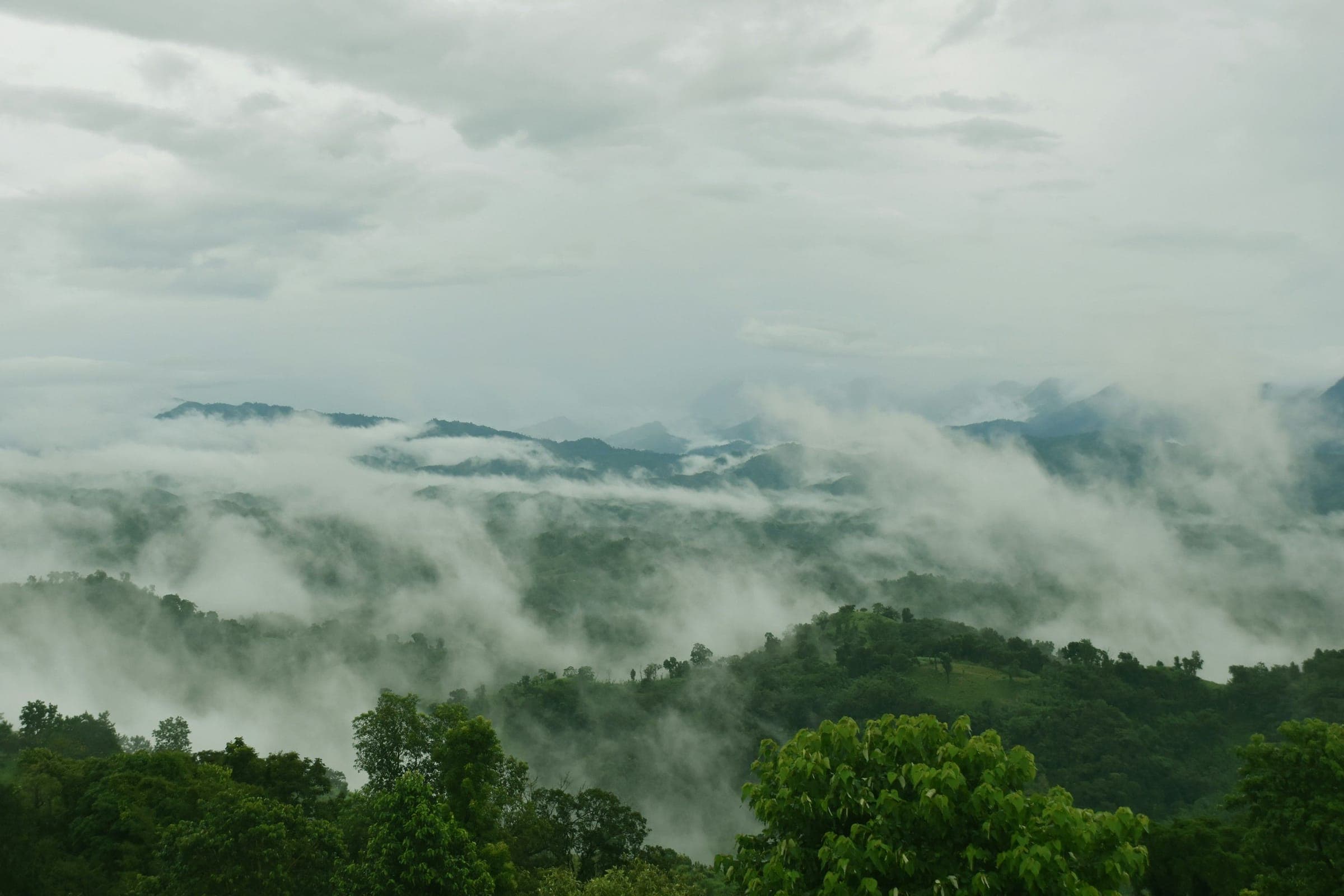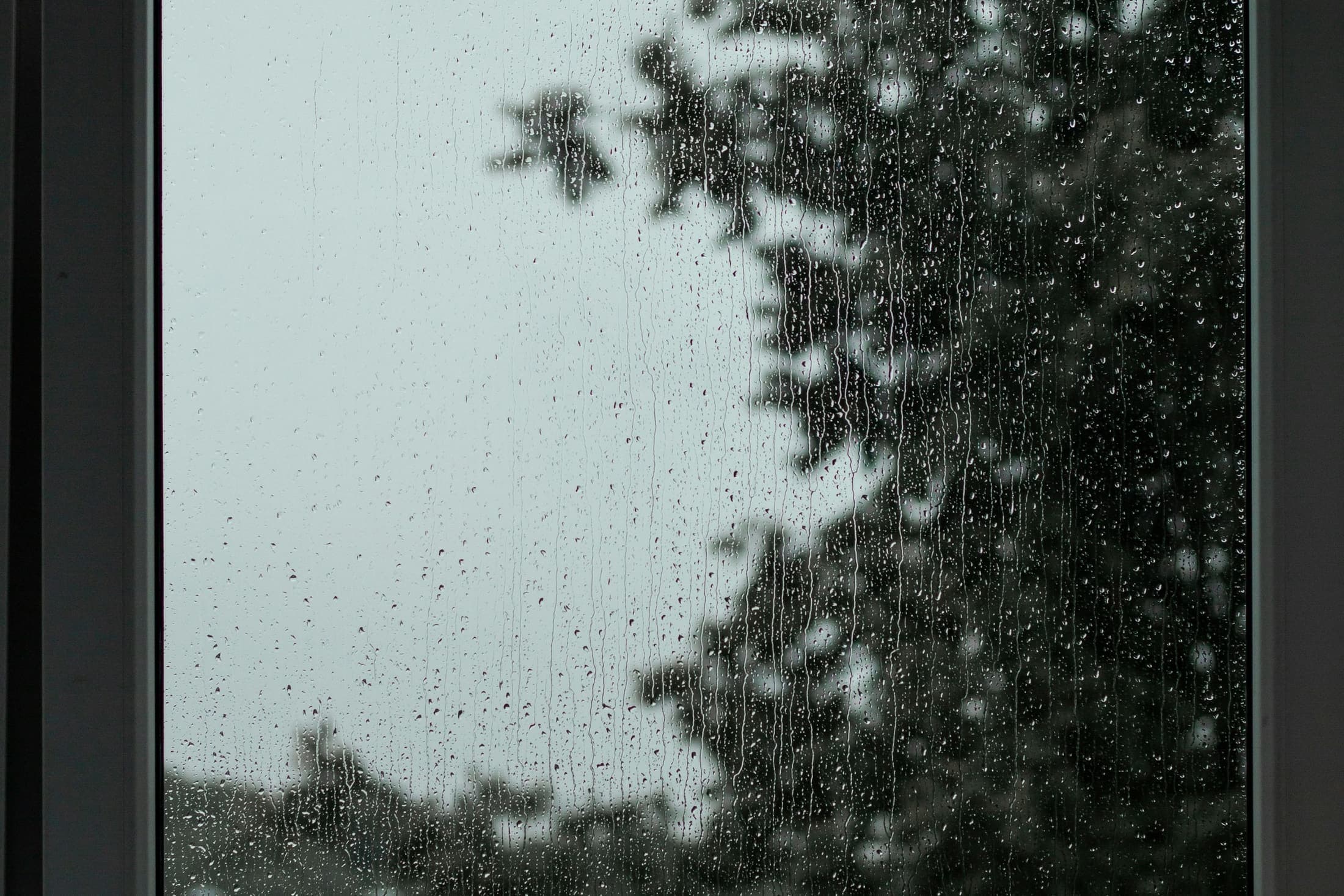
The first real rain of the monsoon came at night this year. I was half asleep when it started, and for a few seconds I did not know where I was. Then I recognised the sound, and I knew exactly where I was, and also somewhere else entirely.
Rain on a tin roof is not a gentle sound. It is a roar, a drumming so loud that conversation stops. At its heaviest it becomes a kind of silence, because it fills every space where other sounds might be. Many of us in Bangladesh grew up under that noise, in village houses and in the corrugated sheds and verandas of our childhood summers. Even in a concrete flat in the city, I still hear it.
Some sounds are so old in us that we do not hear them so much as remember them.
What the sound holds
Some sounds are so old in us that we do not hear them so much as remember them.
When I listen to rain on tin, I am not only hearing water hit metal. I am hearing the smell of wet earth, the damp in the cotton sheets, the frogs starting up in the ditches outside. I am hearing someone calling to bring in the clothes from the line, and the slap of bare feet running across a courtyard.
None of these things are in the sound itself. They are in me. The rain just opens the door.
I think this is why so many Bangla songs and poems return to the monsoon. It is not only the season of rain. It is the season of memory, when the world closes in and the past comes closer than usual.
Listening on purpose
For most of the year, I do not listen to much. I hear traffic, notifications, voices on screens, the constant hum of a city that never quite stops. I filter most of it out, because I have to.
Rain on tin is one of the few sounds I still stop for. When it starts, I put down whatever I am doing and listen. Not for long. A minute or two. But it is a different kind of listening from the rest of the day: not waiting for information, not filtering, just letting the sound take up all the room it wants.
I have started to wonder what else I would hear if I listened like that more often. The call of a hawker two streets away. The particular creak of my own front door. The silence just before the evening azan.
Keeping the sound
There are recordings of rain on tin roofs online, hours long, made for people who cannot sleep. I have tried them. They are pleasant, and they are not the same. A recording cannot carry the smell, or the damp, or the slight fear of a storm that might be getting worse.
So I keep the real thing the only way I can: by noticing it when it comes, and by writing it down, imperfectly, so that some future monsoon evening I can read this and hear it again.